
Product Primer
Evergreen Digital Architecture is the design of a coherent, durable digital ecosystem when one person or organization operates multiple brands, audiences, and revenue models. It establishes clear identity boundaries, shared logic, and long-term structural integrity so growth does not create confusion.
The Story
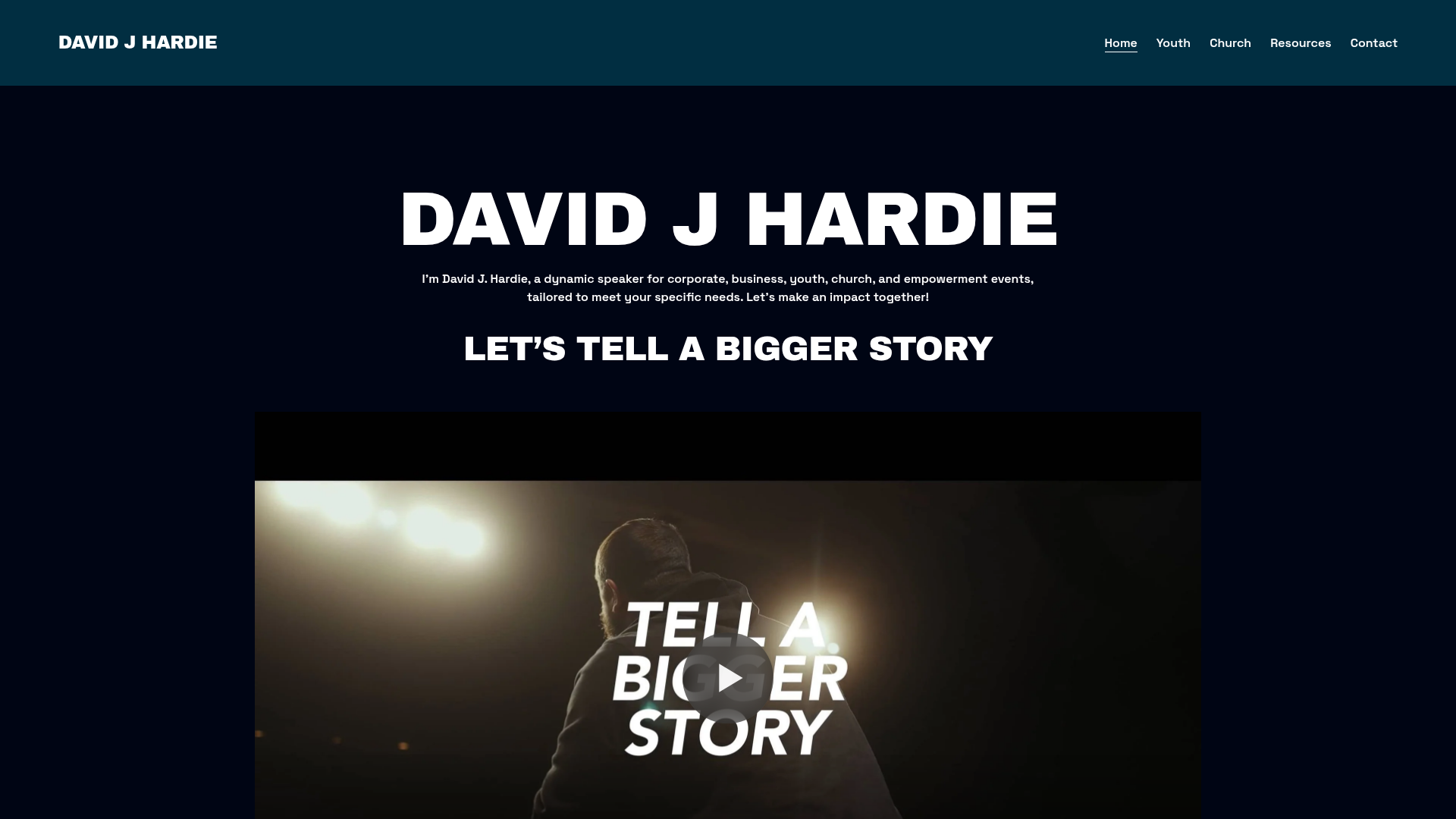
David J. Hardie is not a single brand. He is an ecosystem.
Over time, his work had grown into three materially different businesses:
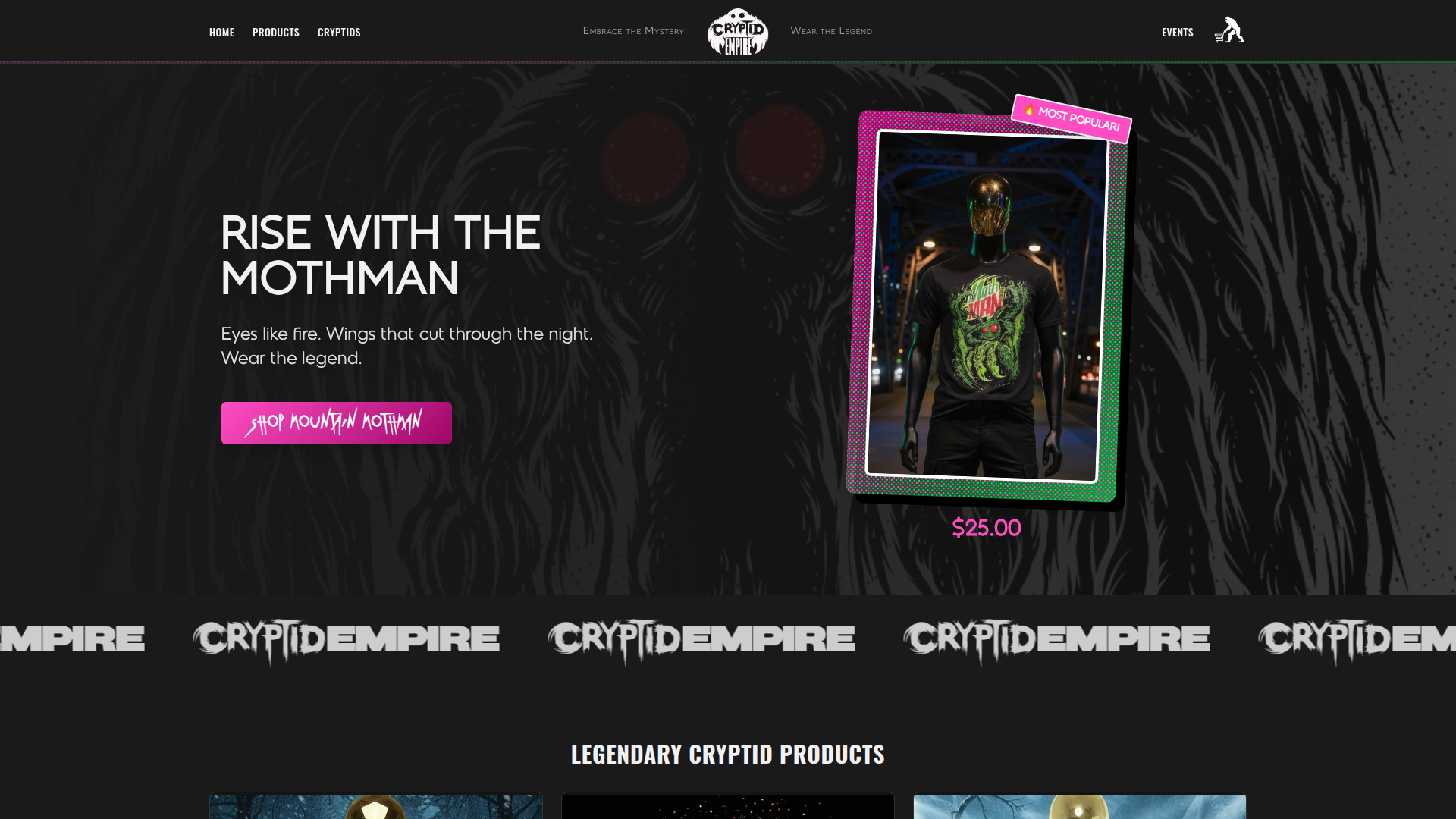
DavidJHardie.com for speaking, teaching, books, and church relationships. HardieWear as a custom apparel business serving churches, schools, and organizations. Cryptid Empire as a creative and commercial universe involving media, merchandise, live events, and community.
Each of these was real. Each generated opportunity. And each had developed independently, responding to momentum rather than architecture.
The tension wasn't confusion at first, it was cognitive load.
Every new opportunity required re-explaining how the brands related. Decisions about websites, email, content, and platforms were being made locally instead of systemically. There was no shared map for where something should live, only instinct.
As growth accelerated, this became risky.
ReedVerde entered to do full ecosystem architecture, not design refresh.
Phase 1: Full ecosystem mapping
The first step was to map everything, brands, audiences, revenue streams, platforms, dependencies, and future ideas.
This included: identifying where brands were unintentionally overlapping, where separation was required for clarity, where relationship could exist without dilution, and where future expansion would put stress on the system.
This was not theoretical. Every decision was tested against real scenarios David was already facing.
Phase 2: Canon definition across brands
Next came canon stewardship.
Each brand was explicitly defined in terms of: purpose, audience, authority, tone, and non-negotiables.
This created decision constraints, not brand statements.
DavidJHardie.com was defined as the authoritative identity for speaking and authorship only. No commerce. No creative crossover. Its job was trust, clarity, and credibility.
HardieWear was defined as a standalone operational business with its own logic, timelines, and customer expectations.
Cryptid Empire was defined as a scalable creative universe capable of holding media, merchandise, events, and future IP without borrowing authority from the other brands.
These definitions governed everything that followed.
Phase 3: Architectural separation with intentional connection
Digital systems were reorganized so each brand had a clear source of truth.
Tools were separated where overlap created confusion. Shared infrastructure was preserved only where it reduced friction without blurring identity. Each brand could now grow independently without destabilizing the others.
The Work

Outcome
The outcome was not three websites.
It was structural clarity.
David could evaluate new opportunities instantly. Collaborators could understand the ecosystem without explanation. Growth no longer required re-architecting the whole system.
This is evergreen digital architecture: not simplifying reality, but designing structure that allows complexity to hold.
Check it out yourself
Ready to Design Your Evergreen Presence?
Let's talk about what's possible when systems are built to last.