

Product Primer
Designing Evergreen Presence in this context means making structural decisions that protect credibility, increase clarity, and reduce long-term confusion. It is the practice of building digital systems where architecture leads alignment, not aesthetics, not trends, not compromise.
The Story
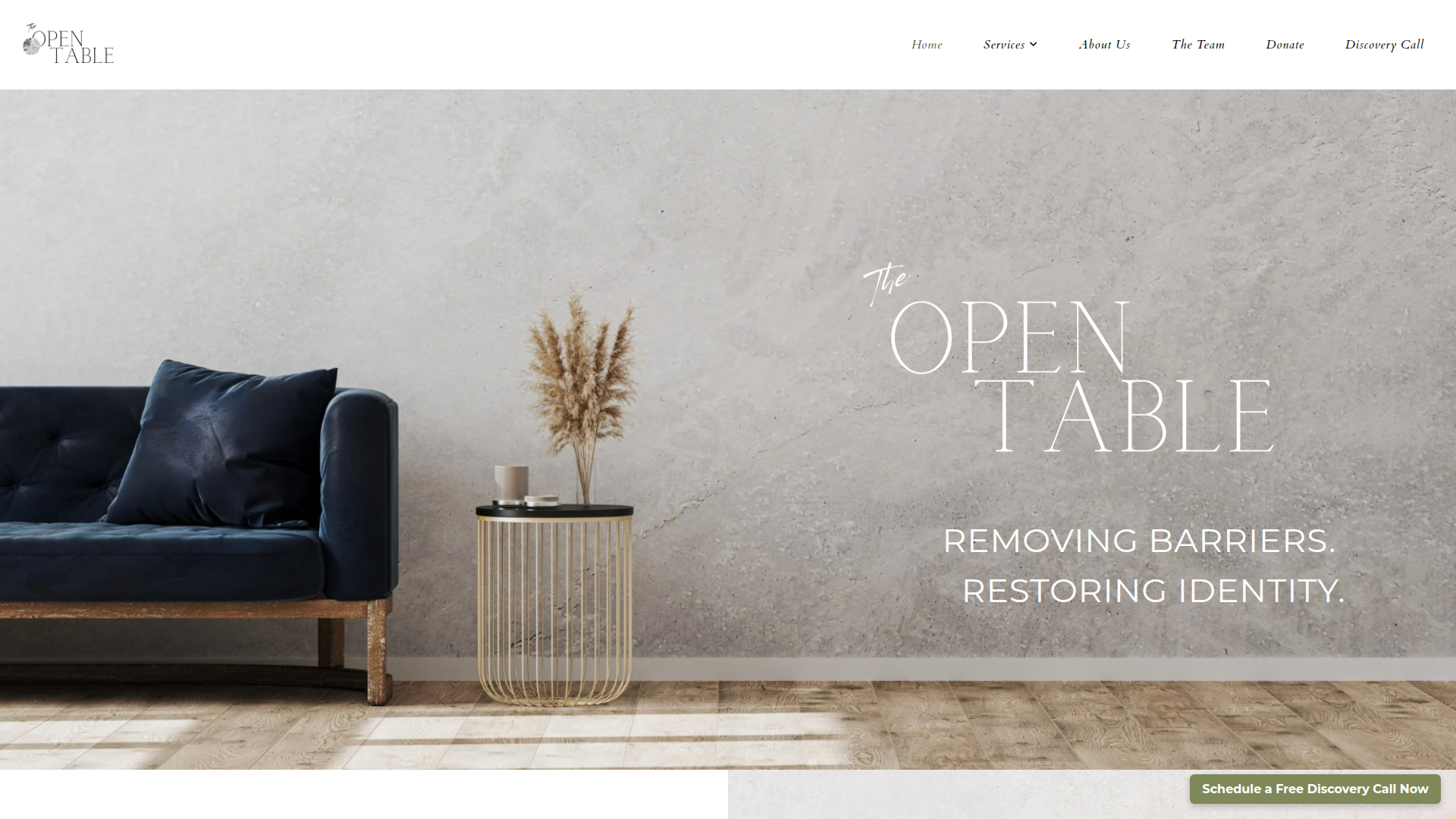
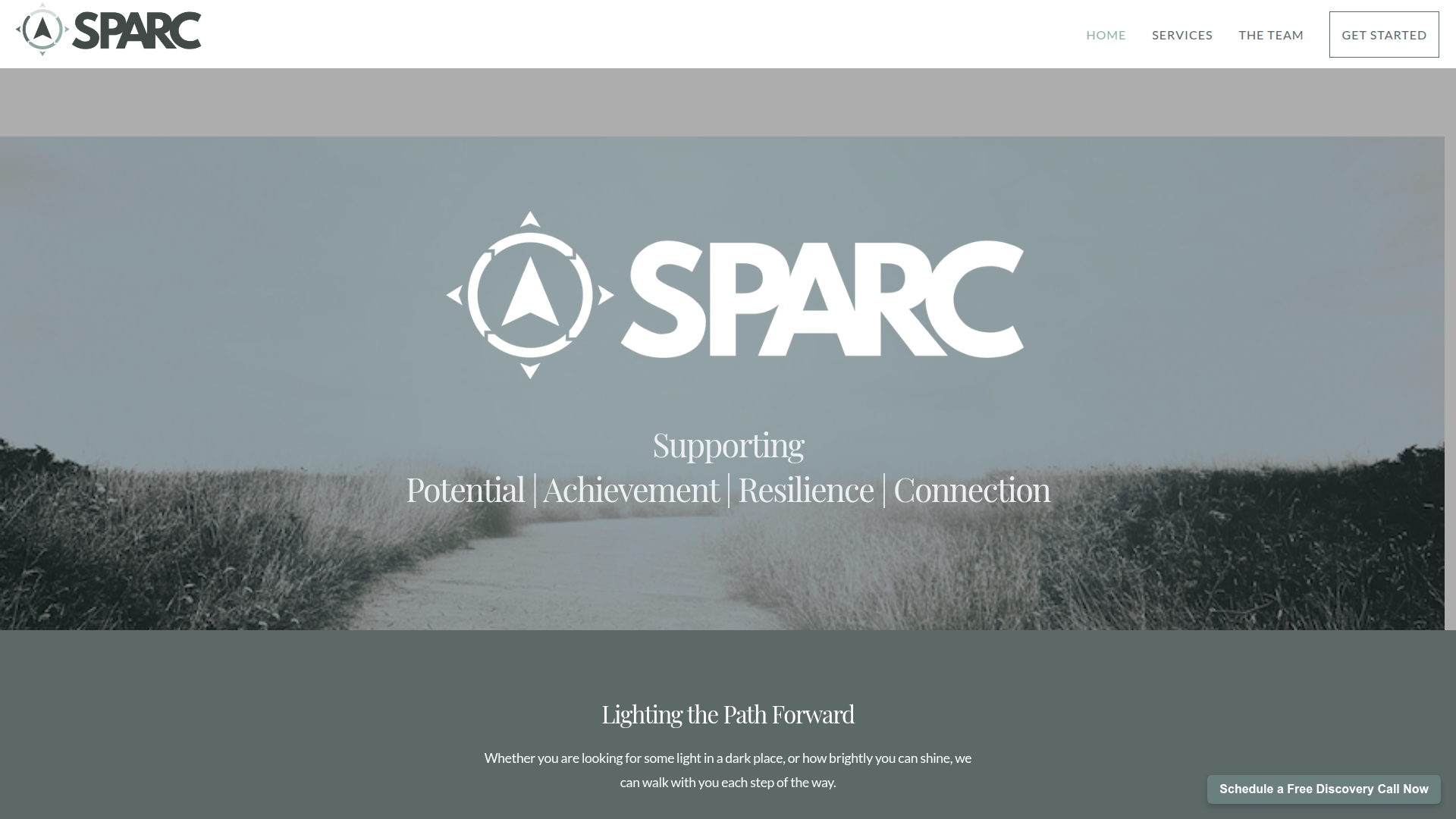
The first architectural shift was recognizing that SPARC, the licensed clinical psychology practice, and ICD, the Christian-based coaching product, could not live in the same digital container without creating confusion.
Clinical psychology carries regulatory standards, insurance realities, confidentiality expectations, and credential authority. Coaching operates in a different lane. When those two are mixed casually, you risk muddying both.
So instead of layering new copy onto an old structure, we separated the systems.
SPARC became its own professional, clinically grounded environment. Clean. Clear. Credential-forward. Insurance-ready. Structured for trust. ICD remained under The Open Table brand as a faith-based development product, free to communicate differently, speak spiritually, and position transformation without clinical framing.
That separation created clarity without fracture. Mission remained unified. Messaging became precise.
Phase 1: Architecture Before Aesthetics
The temptation in projects like this is to make it "feel cohesive" visually and assume the rest will sort itself out. But cohesion without structure is cosmetic.
So we approached this from architecture first. What is the entry point? Who is the primary audience for each site? What language belongs in clinical context versus coaching context? What disclaimers are required? What pathways need to be clearly separated?
We built two front doors instead of one confused hallway.
Each environment now communicates exactly what it is without apologizing for what it isn't. That reduces friction for the audience and protects the integrity of both offerings.
Phase 2: Protecting Credibility
In licensed clinical psychology, credibility is not a branding choice. It is foundational. The SPARC site needed to reflect professionalism, clarity, and trust without leaning into spiritual ambiguity that might undermine clinical seriousness.
So we structured SPARC around: clear service pathways, defined clinical language, credential visibility, regulatory awareness, and direct next steps.
Nothing overdesigned. Nothing emotionally manipulative. Just clarity and authority. That restraint matters.
Phase 3: Freedom for Faith-Based Coaching
At the same time, ICD needed room to breathe spiritually.
Coaching clients are looking for intentional development, faith integration, and forward movement. That language belongs there. But it does not belong on a licensed psychology intake page.
Separating those two ecosystems allowed ICD to speak freely in its lane without compromising SPARC's clinical positioning. That's not a design move. That's strategic discernment.
The Work
Outcome
Instead of one blended digital presence trying to serve two different psychological contexts, The Open Table now operates with clarity.
SPARC stands on its own as a licensed clinical practice. ICD remains anchored in Christian-based coaching under The Open Table. Both serve the same broader mission. Neither compromises the other.
That is what alignment looks like when architecture leads. This was not a flashy redesign. It was a structural decision that will protect credibility, increase clarity, and reduce long-term confusion.
And that is exactly what Designing Evergreen Presence means.
Check it out yourself
Ready to Design Your Evergreen Presence?
Let's talk about what's possible when systems are built to last.